1. The Vision Behind the Grand Egyptian Museum
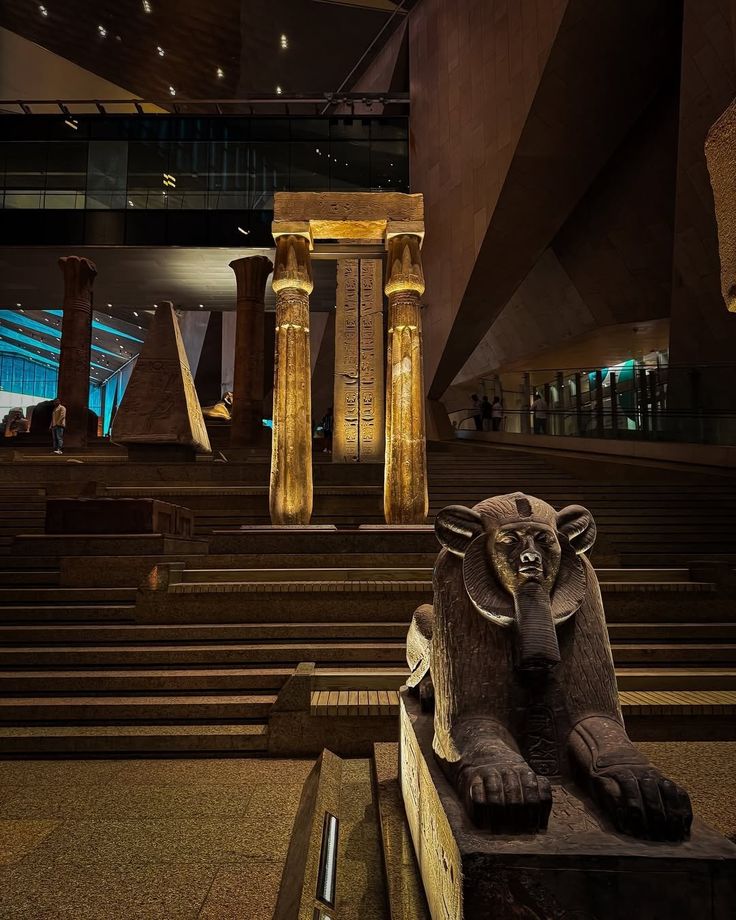
The Grand Egyptian Museum was born out of a bold vision to preserve, protect, and present Egypt’s unparalleled heritage in a world-class setting. For decades, the Egyptian Museum in Tahrir Square overflowed with treasures, leaving countless artifacts unseen by the public. In 2002, Egypt launched an international architectural competition, and the winning design by Heneghan Peng Architects proposed a monumental yet harmonious structure inspired by the geometry of the pyramids. Construction began soon after, supported by global partners including Japan, and after years of innovation, the GEM now embodies Egypt’s cultural rebirth. The project’s goal is not only to display relics but also to connect the country’s past with its future—transforming ancient legacy into a living, evolving experience for generations to come.
2. Architectural Marvel: Where Modernity Meets Antiquity
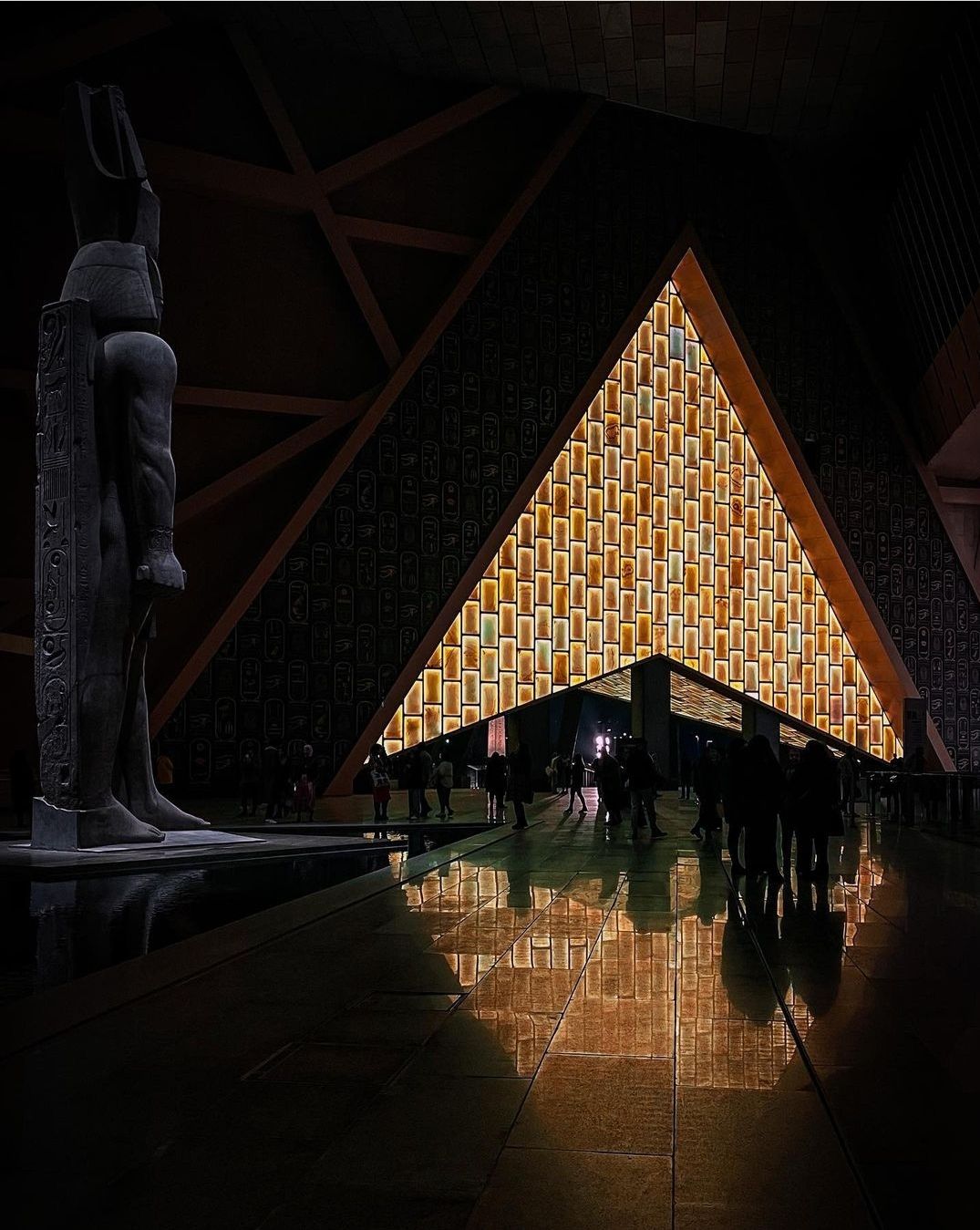
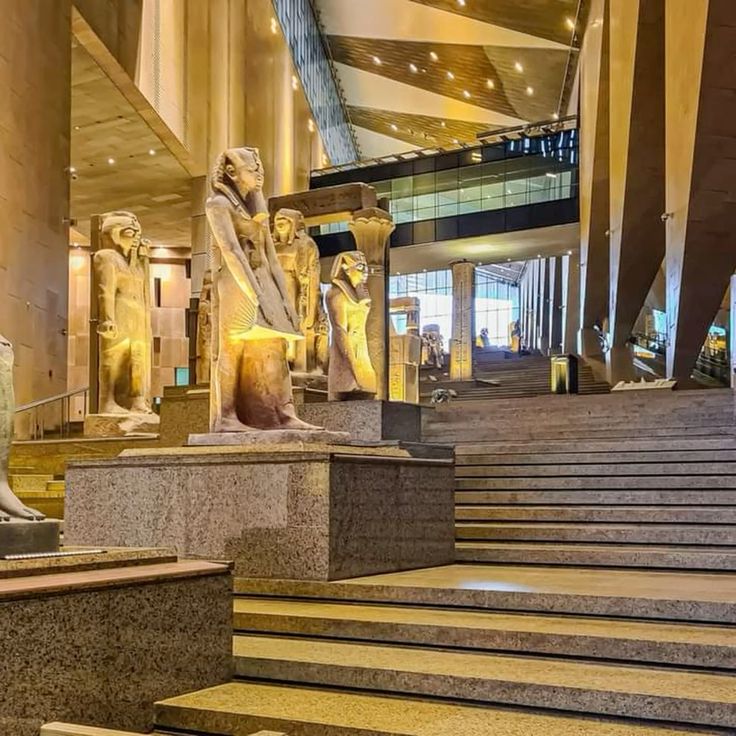
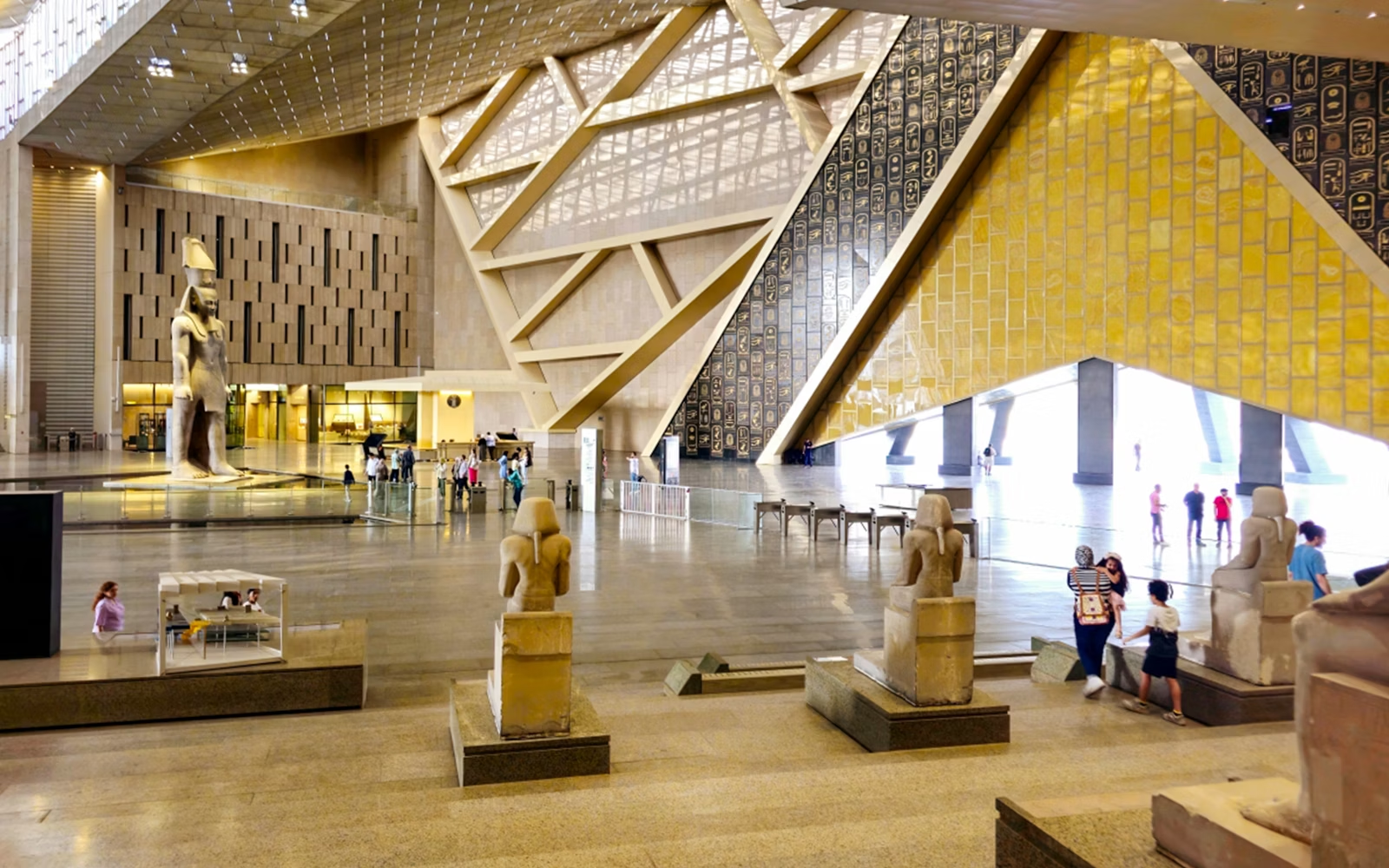
The architecture of the GEM is a masterpiece that fuses ancient inspiration with modern sophistication. Rising from the desert sands in the shadow of the Pyramids, the building’s angular design mirrors the geometry of Egypt’s timeless monuments. Its façade of translucent alabaster stone glows softly in the desert light, guiding visitors toward a grand atrium where the colossal statue of Ramses II stands as a majestic sentinel. The interior is vast and fluid, with a monumental staircase that ascends through history—each landing flanked by statues of kings, gods, and queens. Natural light filters through the structure, illuminating artifacts with warmth and reverence. Every detail serves a purpose, from the eco-friendly energy systems that reduce environmental impact to the advanced humidity controls protecting delicate antiquities. The result is a building that doesn’t just display history—it feels like part of it.
3. Location: Between Past and Present
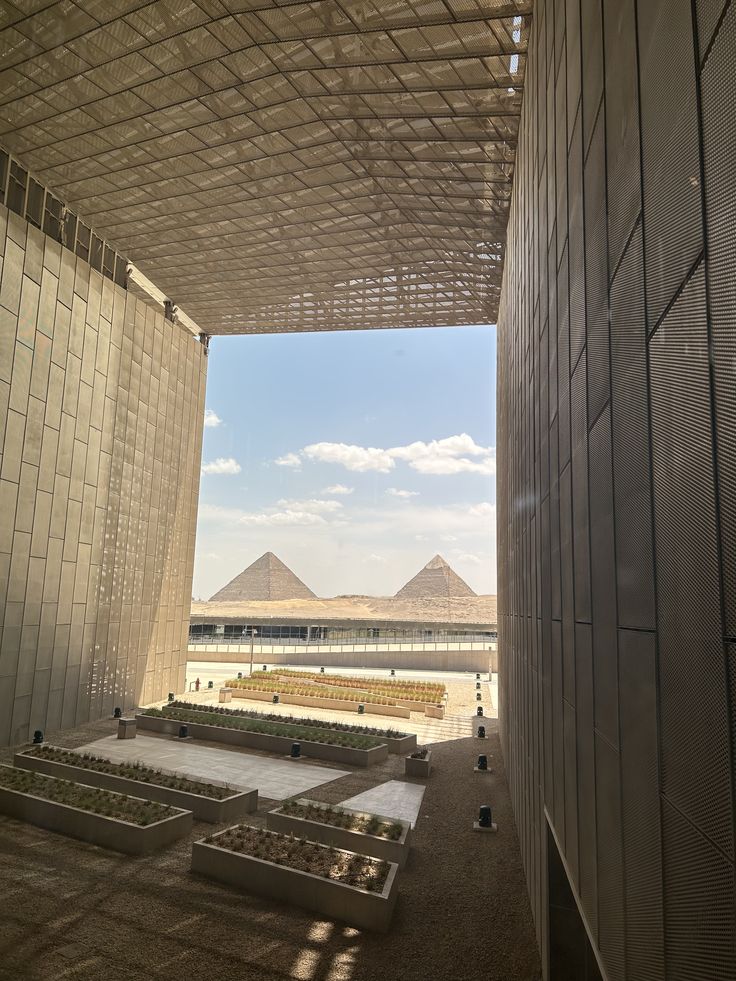
Perfectly positioned in El Remayah Square, along the Cairo–Alexandria Desert Road, the GEM serves as a bridge between the ancient and modern worlds. Only two kilometers from the Great Pyramids, the museum’s terraces and panoramic windows frame breathtaking views of the Giza Plateau, creating a seamless connection between the treasures within and the wonders outside. This location is symbolic: standing at the crossroads of Egypt’s ancient heritage and its modern ambition. Easily accessible from central Cairo, the museum welcomes millions of visitors each year who come not only to admire artifacts but also to experience the power of place—where one can gaze at relics of pharaohs while the very pyramids they built rise in the distance.
4. Inside the GEM: A World of Wonders
Once inside, visitors are transported through millennia in a carefully designed sequence of galleries that tell Egypt’s story in both chronological and thematic order. The Grand Staircase, a sweeping architectural feature, is lined with over ninety monumental statues and relics representing the evolution of Egyptian civilization. Beyond it lies the museum’s crown jewel—the Tutankhamun Galleries, displaying for the first time all 5,000 artifacts discovered in the boy king’s tomb. Each object, from golden jewelry to ceremonial chariots, reveals new details about life in the 18th dynasty. Other sections explore themes of kingship, religion, daily life, and art, showcasing everything from ancient tools and musical instruments to sacred texts and mummified animals. One of the most breathtaking displays is the Solar Boat of King Khufu, believed to carry the pharaoh’s spirit to the heavens. Restored to its full size, it now rests in a purpose-built hall that pays tribute to ancient craftsmanship and cosmic belief.
5. Beyond Exhibits: A Complete Cultural Experience
The Grand Egyptian Museum is not only a space for exhibits—it is a complete cultural destination that engages all senses and generations. It includes an interactive Children’s Museum, where young visitors can explore ancient Egypt through games, 3D simulations, and hands-on workshops. Behind the scenes, state-of-the-art Restoration Laboratories allow guests to observe archaeologists and conservators at work, preserving fragile treasures for the future. The museum also houses auditoriums, research centers, educational halls, restaurants, and cafés with views of the pyramids, as well as beautifully landscaped gardens that offer calm reflection after exploring the galleries. Each element has been designed to merge learning with leisure, making the GEM not only a museum but a living cultural hub where history, science, and art meet.
6. The Tutankhamun Experience: Egypt’s Golden Legacy
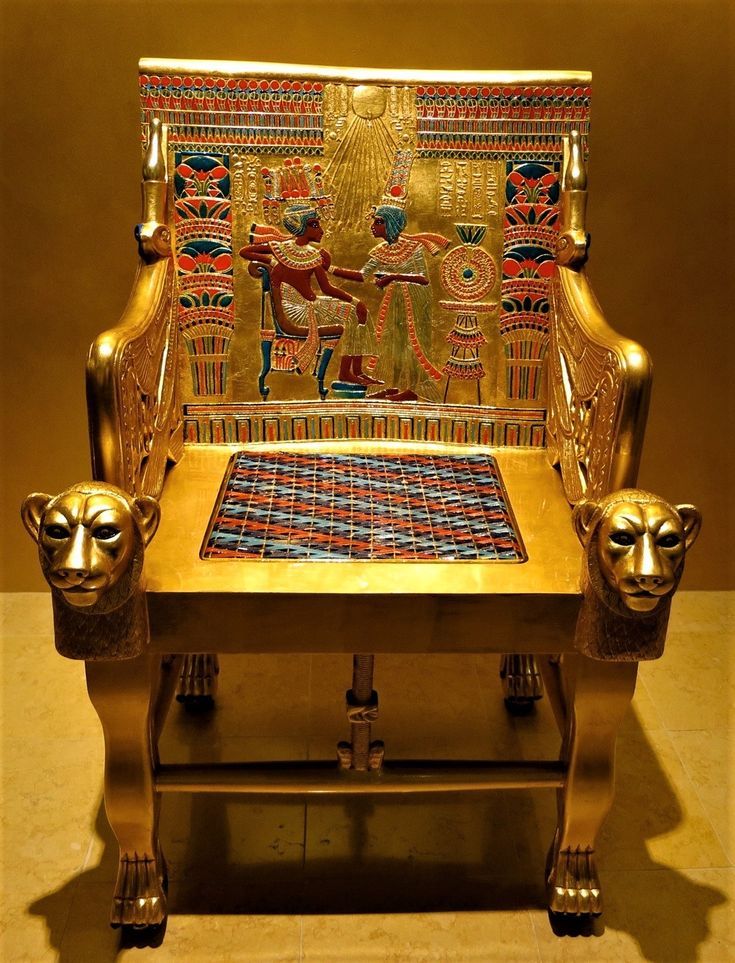
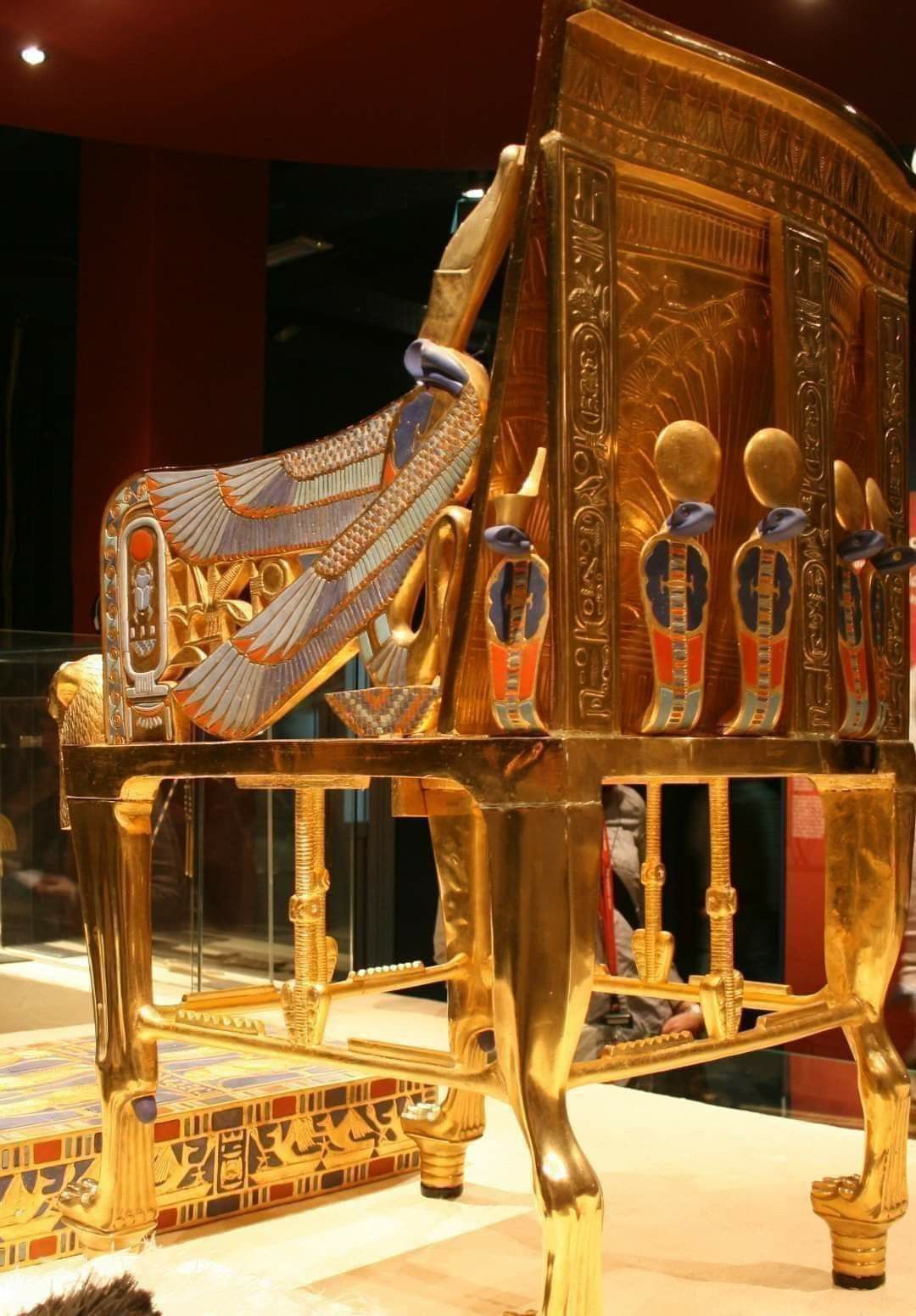
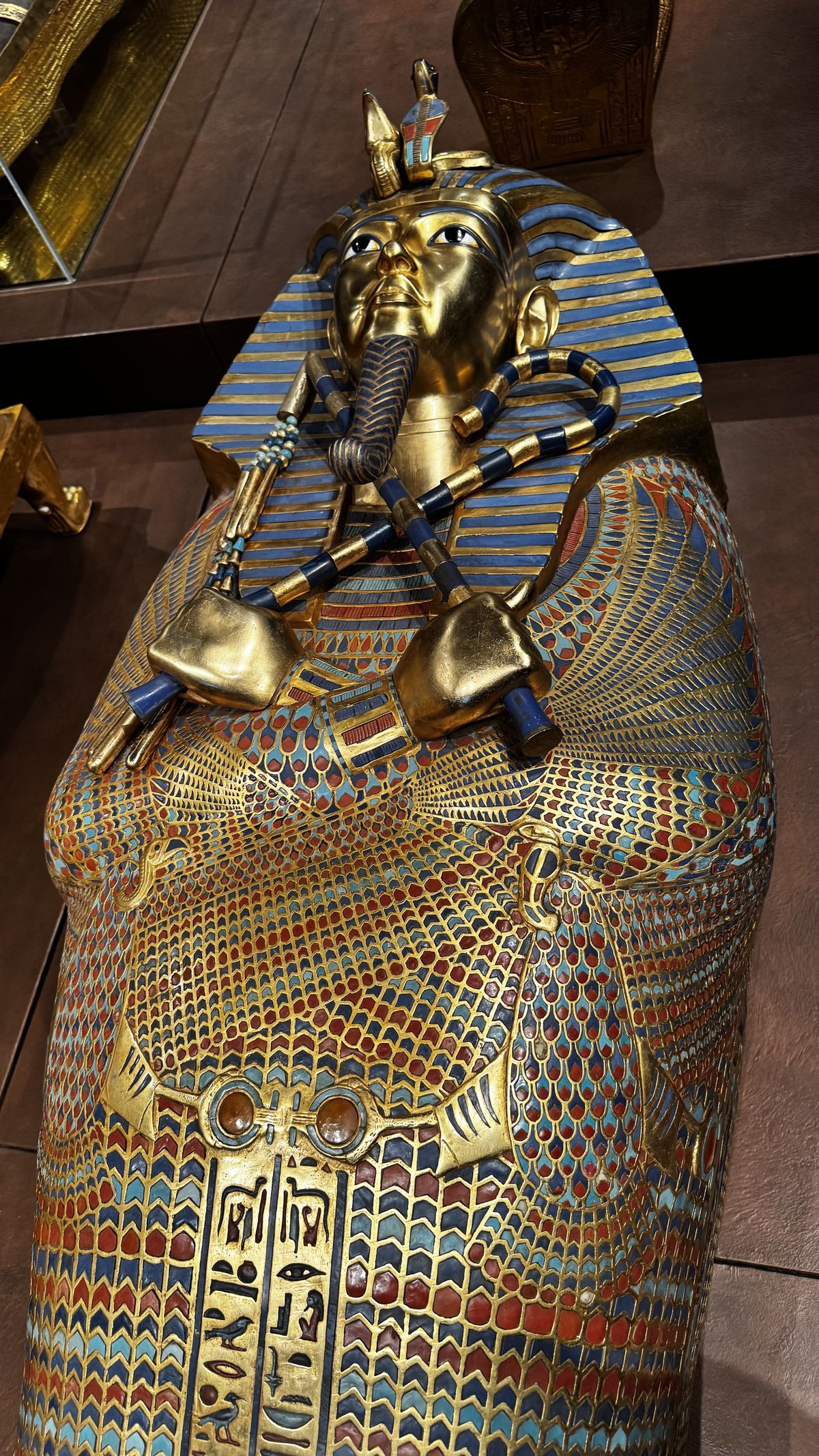
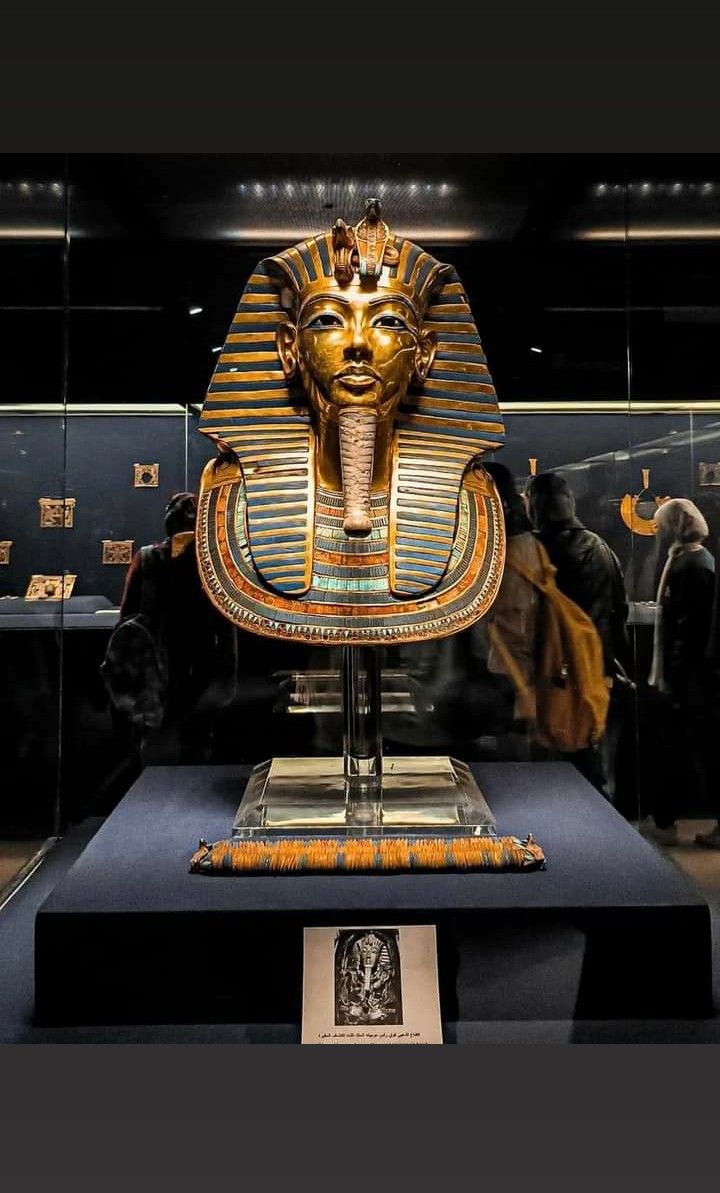
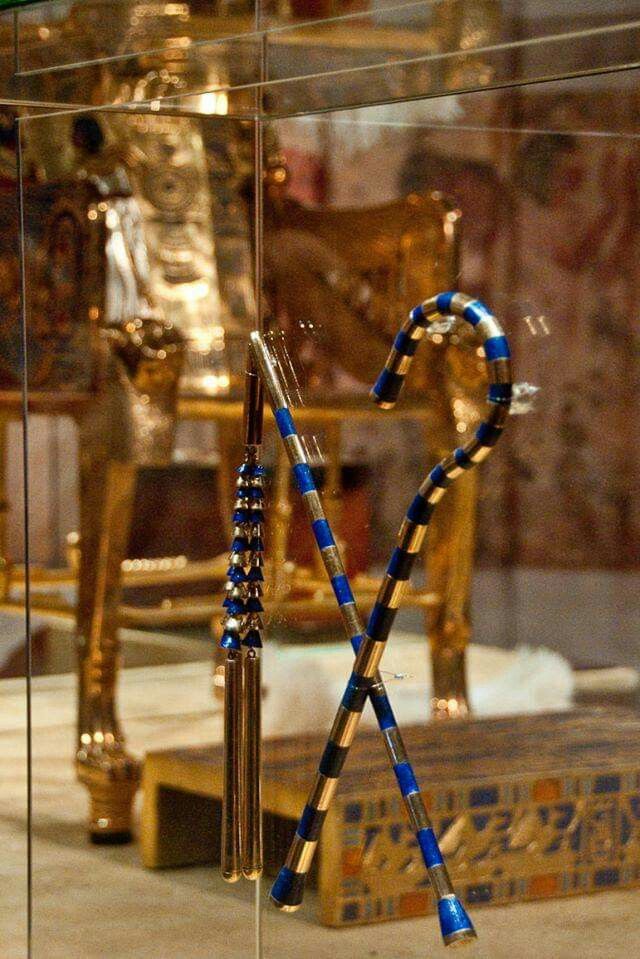
At the heart of the Grand Egyptian Museum lies the story of Tutankhamun, the golden boy king whose tomb, discovered by Howard Carter in 1922, remains one of the most iconic finds in history. For the first time, his complete collection of over 5,000 artifacts—including the world-famous golden death mask—are exhibited together in one place. The display recreates the atmosphere of the original tomb, using modern lighting and digital effects to transport visitors to that moment of discovery. Each item tells a story: intricate jewelry, richly decorated coffins, and household objects revealing the pharaoh’s daily life. The experience is not merely visual but emotional—it connects the visitor directly to the ancient world, creating an encounter that is both deeply personal and universally awe-inspiring.
7. Why the Grand Egyptian Museum Matters
The GEM stands as a symbol of Egypt’s resilience and vision. It represents a national effort to protect its past using the technologies of the future. Beyond tourism, it plays a vital role in education, research, and international collaboration, offering scholars and visitors alike a platform for cultural exchange. By concentrating Egypt’s heritage in one magnificent space, the museum ensures that ancient knowledge remains accessible to the world. It has redefined what a museum can be: not a place where history ends, but where it continues to live. For travelers, it offers a once-in-a-lifetime opportunity to witness the evolution of human civilization in a single visit—and to feel the profound continuity between ancient innovation and modern creativity.
8. Visiting Information: Everything You Need to Know
Located in Giza, about thirty minutes from downtown Cairo, the Grand Egyptian Museum is easy to reach by taxi, Uber, or organized tours. The official address is El Remayah Square, with the Pyramids visible just beyond the horizon. The museum is generally open daily from 9:00 AM to 6:00 PM, with extended hours until 8:00 PM on Fridays. Tickets can be purchased online or at the entrance; adult admission typically costs around 300–400 EGP, with discounts for students and free entry for young children. Facilities include cafés, souvenir shops, prayer rooms, and accessible pathways for visitors with disabilities. Free Wi-Fi and multilingual guides ensure a comfortable and informative experience. Whether you’re a casual traveler or a devoted history lover, planning your visit in advance allows you to make the most of your time in this vast complex.
9. Travel Tips for a Perfect Visit
To make your visit truly memorable, plan ahead and arrive early in the morning to avoid crowds and enjoy the best natural light for photography. Wear comfortable shoes and light clothing, as exploring the museum involves considerable walking. Keep hydrated and take breaks in the shaded garden areas or café terraces overlooking the pyramids. It’s best to book your tickets online and consider hiring a local guide or renting an audio tour for deeper insight into the exhibits. Combine your museum visit with a trip to the Giza Pyramids and the Sphinx, located nearby, to complete your ancient Egypt experience. Photography is allowed in most sections, but always check for restricted areas. Before you leave, stop by the official museum shop to pick up authentic souvenirs, books, and artisan-made replicas that make perfect keepsakes from your journey through time.
10. The Future of the Grand Egyptian Museum
The Grand Egyptian Museum is not a static monument—it is a living institution designed to evolve with time. Future plans include the expansion of digital archives, virtual reality experiences, and partnerships with global museums for traveling exhibitions. Its research facilities are already attracting scientists, conservators, and Egyptologists from around the world, transforming the GEM into a hub for archaeological innovation and cultural diplomacy. The museum will continue to host events, lectures, and international collaborations, ensuring that Egypt remains at the center of global heritage preservation. As technology advances, so too will the ways in which visitors can experience and understand the country’s remarkable past. The GEM’s legacy will extend far beyond its walls—redefining how humanity connects with history.
Where History Lives Forever
The Grand Egyptian Museum is more than a collection of artifacts; it is a dialogue between eras, a celebration of human creativity, and a bridge between Egypt’s glorious past and its inspiring future. Standing inside its glass atrium, with the golden treasures of Tutankhamun on one side and the pyramids glowing in the distance, visitors experience a rare and powerful feeling: that history is alive. Every statue, every hieroglyph, every delicate piece of gold reflects the ingenuity of a civilization that shaped the world. Whether you are visiting Egypt for the first time or returning to rediscover its wonders, the GEM promises an experience that is both educational and emotional—an encounter with eternity itself. So pack your camera, your curiosity, and your sense of wonder, because in the Grand Egyptian Museum, the story of humanity continues to unfold beneath the timeless Egyptian sun.
✨ Quick Facts
Location: El Remayah Square, Giza, Egypt (2 km from the Pyramids)
Opening Hours: 9 AM – 6 PM (Fridays until 8 PM)
Tickets: 300–400 EGP (adults), 150–200 EGP (students), free for children under 6
Highlights: Tutankhamun Galleries, Ramses II Statue, Solar Boat of Khufu
Website: www.gem.gov.eg
